





Have you ever had a day where you did “stuff” all day long… but by the evening you couldn’t really say what you actually did?
You weren’t lazy. You weren’t productive either. You were just… busy.
Welcome to modern life.

Busy Has Become a Personality
Somewhere along the way, being busy turned into a badge of honor.
We say it automatically:
“I’m slammed.”
“It’s been crazy.”
“I haven’t had a second to breathe.”
Not because it’s true — but because it sounds important.
Being busy makes us feel needed. Relevant. Successful.
The Problem? Busy Isn’t the Same as Fulfilled
Most of our “busyness” comes from small, endless tasks:
- emails
- notifications
- quick replies
- endless tabs open
None of them are hard on their own. But together? They drain your focus without giving anything meaningful back.
You’re doing a lot — just not moving forward.
We’re Always “On,” Even When We’re Off
Even on days off, the mind keeps running. You check your phone. You think about work. You plan the next thing.
There’s no real off switch anymore — just different levels of “on.”
That constant low-level pressure is exhausting in a quiet, sneaky way.
Stillness Feels Awkward Now
Try sitting in silence for five minutes. No phone. No music. No scrolling.
Feels uncomfortable, right?
That discomfort is your brain detoxing. And most of us don’t give it the chance to do that anymore.
What Actually Helps
Not big lifestyle changes. Not productivity hacks.
Just small moments of presence:
– walking without checking your phone
– eating without multitasking
– letting your mind wander for a few minutes
That’s where clarity comes back.
Being “Busy” Isn’t a Goal
A full life isn’t about constant motion. It’s about moments that actually feel like something.
Rest isn’t laziness.
Stillness isn’t wasted time.
And slowing down doesn’t mean falling behind.
Sometimes it’s the only way forward.
In a city that never slows down, finding moments of calm is a luxury. That’s exactly where Isshiki Matcha steps in — redefining wellness culture through the Best Ceremonial Matcha in New York. More than just a café or an online shop, Isshiki represents a lifestyle rooted in tradition, mindfulness, and modern taste.
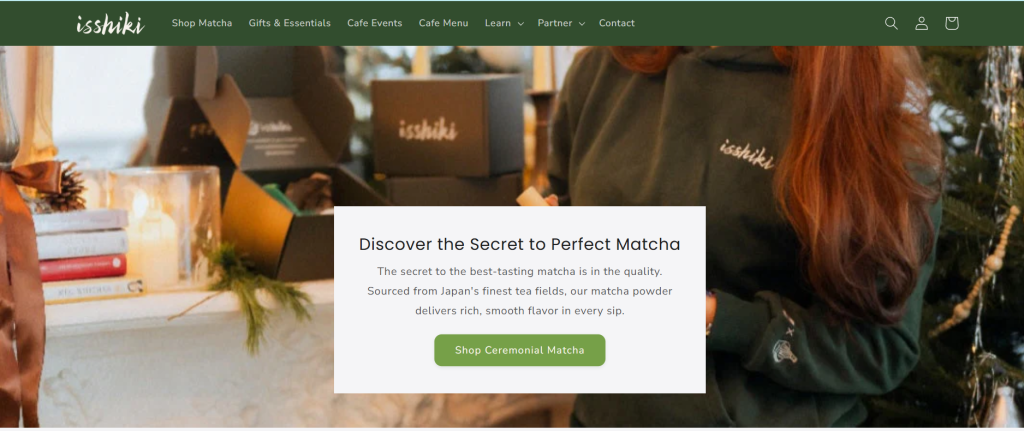
A New Standard for the Best Ceremonial Matcha in New York
Isshiki Matcha sources its ceremonial-grade tea directly from Japan, working with farmers who honor generations-old cultivation methods. The result is a vibrant, smooth, and naturally sweet matcha that stands apart from mass-market green powders.
What makes Isshiki different is its commitment to authenticity. Every batch of matcha is carefully selected for purity, flavor profile, and nutritional integrity — making it a top choice for anyone searching for the Best Ceremonial Matcha in New York.
Where Tradition Meets Modern New York Energy
Isshiki isn’t trying to recreate a traditional tea house — it’s reinventing it for a modern audience. Their New York café blends minimal design, calming energy, and urban rhythm, creating a space where matcha becomes part of everyday life.
From early-morning matcha lattes to slow afternoon rituals, Isshiki brings Japanese tea culture into the heart of the city without losing its soul. This balance is what keeps locals and visitors coming back for the Best Ceremonial Matcha in New York.
More Than a Drink: A Lifestyle Experience
Isshiki isn’t just selling tea — it’s offering a mindset. Their approach focuses on:
- Mindful consumption
- Quality over quantity
- Rituals that slow life down
Whether you’re preparing matcha at home or enjoying it in their café, the experience feels intentional. That’s why wellness enthusiasts, creatives, and professionals alike recognize Isshiki as a destination for the Best Ceremonial Matcha in New York.
From Japan to Your Cup
Each product tells a story — from shade-grown tea leaves to stone-ground perfection. Isshiki’s ceremonial matcha delivers:
- Rich umami flavor
- Smooth, non-bitter taste
- Clean energy without crashes
This dedication to excellence positions Isshiki as a trusted source for anyone seeking the Best Ceremonial Matcha in New York, whether for daily rituals or special moments.
Why Isshiki Stands Out in New York’s Matcha Scene
New York is filled with trends, but Isshiki builds culture. Their blend of authenticity, quality, and aesthetics makes them more than just another matcha brand.
They don’t follow trends — they set standards.
If you’re searching for the Best Ceremonial Matcha in New York, Isshiki isn’t just an option. It’s the reference point.
Final Thought
In a city that never sleeps, Isshiki offers a pause — a cup of balance, focus, and tradition. That’s why it continues to define what the Best Ceremonial Matcha in New York truly means.
Most people think they need a big life reset to feel better — a new job, a vacation, a full routine overhaul.
But the truth is, energy doesn’t come from big changes. It comes from small adjustments done consistently.
Here’s what actually helps.

Start Your Day Without Your Phone (Even for 10 Minutes)
The first thing you do in the morning sets the tone for your brain.
If the first thing you see is messages, news, or social media — your nervous system goes into reaction mode.
Try this instead:
- Wake up
- Drink water
- Sit or stand quietly for 5–10 minutes
- No phone, no input
You don’t need meditation. Just let your brain wake up naturally.
This alone can change how the entire day feels.
Stop Multitasking — It’s Draining You
Multitasking feels productive, but it burns mental energy fast.
Your brain isn’t built to focus on five things at once — it’s constantly switching, not doing more. That switching creates fatigue.
Try this:
- One task
- One tab
- One goal
You’ll finish faster and feel less tired.
Eat for Energy, Not Just Convenience
You don’t need a perfect diet — just fewer crashes.
Simple rule:
If your food makes you sleepy right after eating, it’s not helping you.
Small changes help a lot:
- Add protein to breakfast
- Don’t skip meals
- Drink more water than coffee
Energy starts in the body, not motivation.
Move a Little, Not a Lot
You don’t need intense workouts to feel better.
A 10–15 minute walk:
- clears your head
- boosts circulation
- improves focus
Movement is like hitting a reset button for your brain.
Protect Your Evenings
Your energy tomorrow depends on how you end today.
Try this:
- No heavy decisions late at night
- Lower lights an hour before bed
- Do something slow and familiar
Your nervous system needs a signal that it’s safe to rest.
Rest Is Not a Reward
You don’t earn rest by suffering first.
Rest is maintenance — like charging your phone before it dies.
The more you treat rest as part of your routine, the more stable and focused you’ll feel.
Final Thought
You don’t need a new life.
You need better rhythms.Small habits done daily beat motivation every time.
And feeling better doesn’t require perfection — just consistency.
Feeling tired all the time has quietly become the new normal. Not “I didn’t sleep enough” tired — but that constant low-energy, foggy, drained feeling that doesn’t fully go away even after rest.
The truth is, most people aren’t physically exhausted. They’re mentally overloaded.
Let’s break down why this happens — and what actually helps.

Mental Fatigue Is Different From Physical Tiredness
Physical tiredness comes from effort: working out, moving, lifting, doing things.
Mental fatigue comes from constant decision-making, notifications, pressure, and overstimulation.
Your brain is making thousands of micro-decisions every day:
- What to reply
- What to eat
- What to focus on
- What to ignore
Each one costs energy. And unlike muscles, your brain doesn’t get obvious signals when it’s overworked — it just gets slower.
Information Overload Is Draining You Silently
We’re exposed to more information in one day than people used to consume in weeks.
News, messages, content, ads, opinions — all competing for attention. Even when you’re “relaxing,” your brain is still processing input.
That’s why scrolling doesn’t refresh you. It drains you quietly.
Your nervous system never fully powers down.
Why Rest Often Doesn’t Feel Restful
Most people think rest means doing nothing.
But real rest means switching off decision-making.
If you’re watching something while checking your phone, or thinking about tomorrow while lying on the couch — that’s not rest.
True rest happens when:
- Your attention is on one simple thing
- There’s no pressure to respond or perform
- Your body feels safe enough to slow down
That’s when recovery actually starts.
Energy Is About Regulation, Not Motivation
People often blame themselves for “lacking motivation,” but motivation depends on energy — not the other way around.
Your energy drops when:
- Your sleep is inconsistent
- Your nervous system stays in alert mode
- You don’t get moments of mental quiet
Fixing energy means regulating your system, not pushing harder.
Small Daily Habits That Actually Help
You don’t need a full lifestyle reset. Small, consistent shifts matter more:
• Go outside early in the day — natural light resets your internal clock
• Eat protein earlier in the day to stabilize energy
• Take short breaks without screens
• Breathe slowly for 2–3 minutes when overwhelmed
• Protect your last hour before sleep
These aren’t productivity hacks — they’re regulation tools.
The Truth Most People Miss
You’re not lazy.
You’re not broken.
You’re overstimulated.
Modern life isn’t designed for nervous system balance — so you have to create that balance on purpose.
Once you do, focus improves, mood stabilizes, and energy slowly comes back.
Final Thought
You don’t need to become a different person to feel better.
You just need to give your system the conditions it was designed for.Slow down a little.
Simplify where you can.
And remember — rest is not weakness. It’s maintenance.
In the U.S., weight isn’t just a health topic — it’s cultural, emotional, and deeply personal. People talk about it constantly, yet rarely honestly. Everyone has an opinion, a method, a diet, or a “before and after” story. But behind all that noise is a much more complex reality.

Why Weight Is Such a Big Deal in the U.S.
America is a country of extremes. On one hand, there’s unlimited access to food. On the other, endless pressure to look a certain way.
Fast food is cheap and everywhere. At the same time, wellness culture pushes perfection — lean bodies, six-pack abs, “clean eating,” and constant self-optimization. That contradiction creates tension.
People aren’t just managing weight. They’re managing expectations.
It’s Not Just About Food
Weight in the U.S. is deeply connected to lifestyle, stress, and environment.
Many Americans:
- Work long hours
- Sit most of the day
- Deal with chronic stress
- Sleep less than they should
When your body is constantly stressed, it holds on to energy — not because you’re lazy, but because it’s trying to protect you.
Diet Culture Is Changing (Slowly)
For years, weight loss meant restriction, guilt, and “starting over on Monday.” But that mindset is losing its power.
More people are now focusing on:
- Sustainable eating instead of crash diets
- Strength and energy instead of the scale
- Mental health alongside physical health
It’s less about shrinking your body and more about supporting it.
The Rise of GLP-1 Medications and Honest Conversations
Medications like Ozempic and Wegovy have changed the conversation around weight in the U.S. Some people see them as tools, others as controversy — but one thing is clear: weight management is finally being treated as a medical and biological issue, not a moral failure.
This shift is helping reduce shame and open more honest discussions.
Movement Is Being Redefined
Exercise used to mean punishment. Now it’s becoming about movement that fits real life.
Walking, stretching, light strength training, dancing — these are becoming more popular than extreme workouts. The goal is consistency, not exhaustion.
What People Are Really Looking For
At the core, most Americans don’t want to be “thin.”
They want to feel:
- Comfortable in their body
- Confident in their clothes
- Energized in daily life
And that’s a very different goal.
The Bottom Line
Weight in America is no longer just a number on a scale. It’s a conversation about health, access, mental well-being, and self-respect.
The shift happening right now is about understanding, not judgment. And that might be the healthiest change of all.
Not long ago, home meant stability. A place you grew into, decorated slowly, and stayed in for years.
Today? Home feels more temporary — and for many Americans, that shift is emotional, not just financial.

Housing Isn’t Just About Square Footage Anymore
Rent is higher. Buying feels out of reach. Moving has become normal.
But what’s really changed is how people feel about where they live.
More Americans are asking:
- Does this place support my lifestyle?
- Does it help me rest, focus, and feel safe?
- Or is it just somewhere I sleep between responsibilities?
Housing has gone from a milestone to a constant question.
The Rise of “Flexible Living”
People aren’t settling down the same way anymore. Instead, they’re choosing flexibility.
That looks like:
- Renting longer instead of buying
- Living in smaller spaces with better locations
- Choosing comfort over status
- Moving cities more often
Home is becoming less about ownership and more about how it makes you feel day to day.
Why Everyone Cares About Vibes Now
When life feels uncertain, people crave environments that feel calm and grounding.
That’s why cozy lighting, clean spaces, plants, and quiet corners matter more than ever. Your home has become your office, your reset button, your escape.
It’s not about luxury — it’s about peace.
The Emotional Cost of “Just Getting By”
Many Americans are doing okay on paper but feel emotionally stretched.
Rent takes a big chunk of income. Saving feels harder. Planning long-term feels risky.
So people focus on small comforts: a good couch, better coffee, soft lighting — tiny things that make daily life feel manageable.
Home Is Becoming a Feeling, Not a Place
More than ever, “home” is about safety, routine, and mental ease — not square footage or ownership.
It’s the place where you can take off the pressure, even if just for a moment
Final Thought
The American idea of home is changing — and maybe that’s not a bad thing.
People are learning to build comfort wherever they are, instead of waiting for a perfect future that may never come.
And sometimes, that’s the most realistic kind of stability there is.
Have you ever had one of those days where you didn’t really do much… but somehow you’re completely exhausted?
No gym. No hard labor. Just emails, messages, scrolling, thinking — and suddenly you’re wiped out.
You’re not lazy. You’re overloaded.

Mental Exhaustion Is the New Normal
These days, our brains never really get a break. Notifications, news, group chats, work messages, social media — it’s constant.
Even when you’re “relaxing,” your brain is still processing stuff. That low-level pressure adds up fast. You’re always reacting, always switching focus, always on.
And your nervous system? It’s tired.
Rest Isn’t What We Think It Is
Scrolling isn’t rest.
Watching Netflix while answering texts isn’t rest.
Even weekends can feel like another to-do list.
Real rest is when your mind actually slows down — when nothing is demanding your attention. And honestly? Most of us don’t get much of that anymore.
Silence Feels Uncomfortable Now
Here’s the weird part: silence used to be normal.
Now it feels awkward.
We fill every quiet moment with noise — podcasts, music, background TV — because being alone with our thoughts can feel uncomfortable. But that silence is exactly where your brain resets.
It’s where clarity comes back.
Small Pauses Make a Big Difference
You don’t need a retreat or a full digital detox. Small things help more than you think:
– A walk without headphones
– Coffee without checking your phone
– Sitting for five minutes and doing nothing
That’s not being unproductive. That’s maintenance.
You’re Not Lazy — You’re Overstimulated
We live in a world that rewards being busy, not being okay. But being constantly “on” isn’t sustainable.
Sometimes the most productive thing you can do is slow down enough to feel human again.
Final Thought
Life isn’t meant to feel like an endless notification.
You’re allowed to pause.
You’re allowed to rest.
And you don’t have to earn it.
Sometimes doing less is exactly what brings you back to yourself.
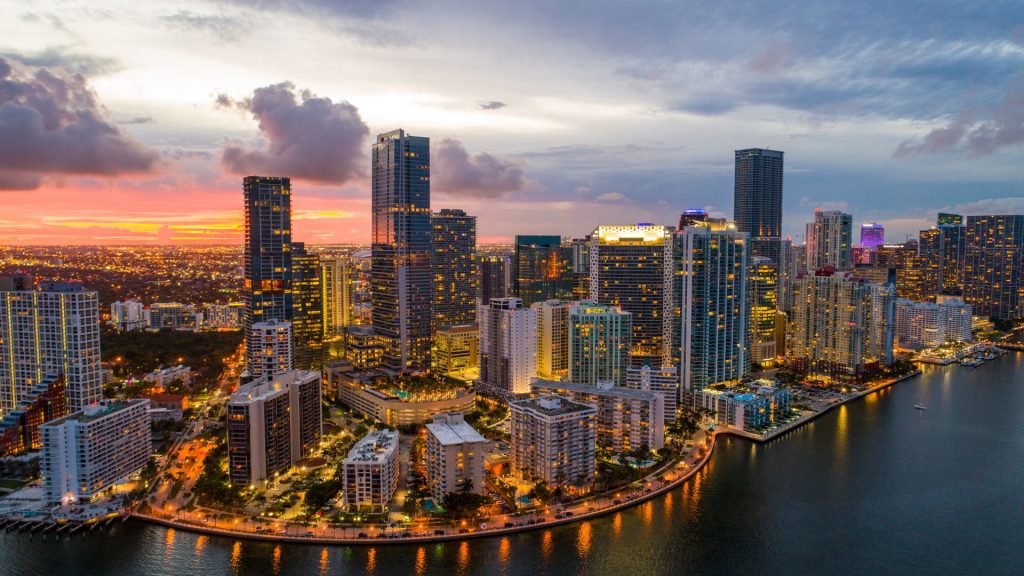
Life in the United States is shifting in quiet but meaningful ways. People are rethinking how they work, relax, connect, and define success. Trends today aren’t about being louder or faster — they’re about being more intentional, more human, and more real.
Here’s what’s shaping everyday life across the U.S. right now.
Slow Living Is Becoming the New Status Symbol
Americans are stepping away from nonstop hustle culture and leaning into slower, more intentional lifestyles. The new luxury isn’t a packed calendar — it’s time, calm, and control over your own pace.
People are choosing fewer commitments, more meaningful routines, and moments that feel grounded. Morning walks, quiet coffee rituals, and evenings without screens are becoming the new version of success.
Technology That Feels Human, Not Overwhelming
Technology is still everywhere, but expectations have changed. People don’t want tools that complicate life — they want ones that quietly make it easier.
AI is being used to organize schedules, simplify work, and support creativity without replacing the human touch. The goal now is balance, not overload.
Small Luxuries Are Replacing Big Splurges
Luxury in America looks different these days. It’s not about flashy spending — it’s about thoughtful choices.
People are investing in things that genuinely improve daily life:
- better coffee
- comfortable spaces
- high-quality basics
- meaningful experiences
It’s less about status and more about feeling good in your own space.
Home Is Becoming the Center of Social Life
Homes are no longer just places to sleep — they’re becoming social hubs.
Dinner parties, casual gatherings, and cozy evenings with friends are replacing loud venues. Design, lighting, and atmosphere matter more than ever because people want their homes to feel welcoming and personal.
Wellness Without Pressure or Perfection
Wellness culture is softening. There’s less obsession with extremes and more focus on balance.
People are choosing:
- movement that feels good
- rest without guilt
- food that nourishes instead of restricts
Mental health is part of everyday conversation now — not something hidden or ignored.
Community Is Making a Quiet Comeback
Across the country, people are reconnecting with their neighborhoods and local spaces. Small businesses, local events, and community-driven spaces are becoming social anchors again.
Connection feels more valuable than convenience — and that shift is changing how people live.
A Culture in Transition
The United States isn’t chasing perfection right now. It’s searching for meaning, balance, and authenticity. People want lives that feel good on the inside, not just impressive on the outside.
And that quiet shift might be the most powerful trend of all.